Table of Contents
- Social Security (SSI & SSDI) Benefit Payments Schedule 2024, 2023
- Supplemental Security Income (SSI): An Introduction for Service ...
- Things to Know About SSI Benefits for 2021 - Washington Social Security ...
- What do I have to report to the Social Security Administration after ...
- What Are SSI Benefits and Am I Eligible?
- Social Security (SSI/SSDI) - Moms In Motion
- Pt Ssi - Homecare24
- Social Security Looks to Expand Outreach and Access for SSI | Cuddigan Law
- Social Security: Overview of SSI income and asset requirements - YouTube
- SSI Vs. Social Security: Understanding the Key Differences – Blogging ...

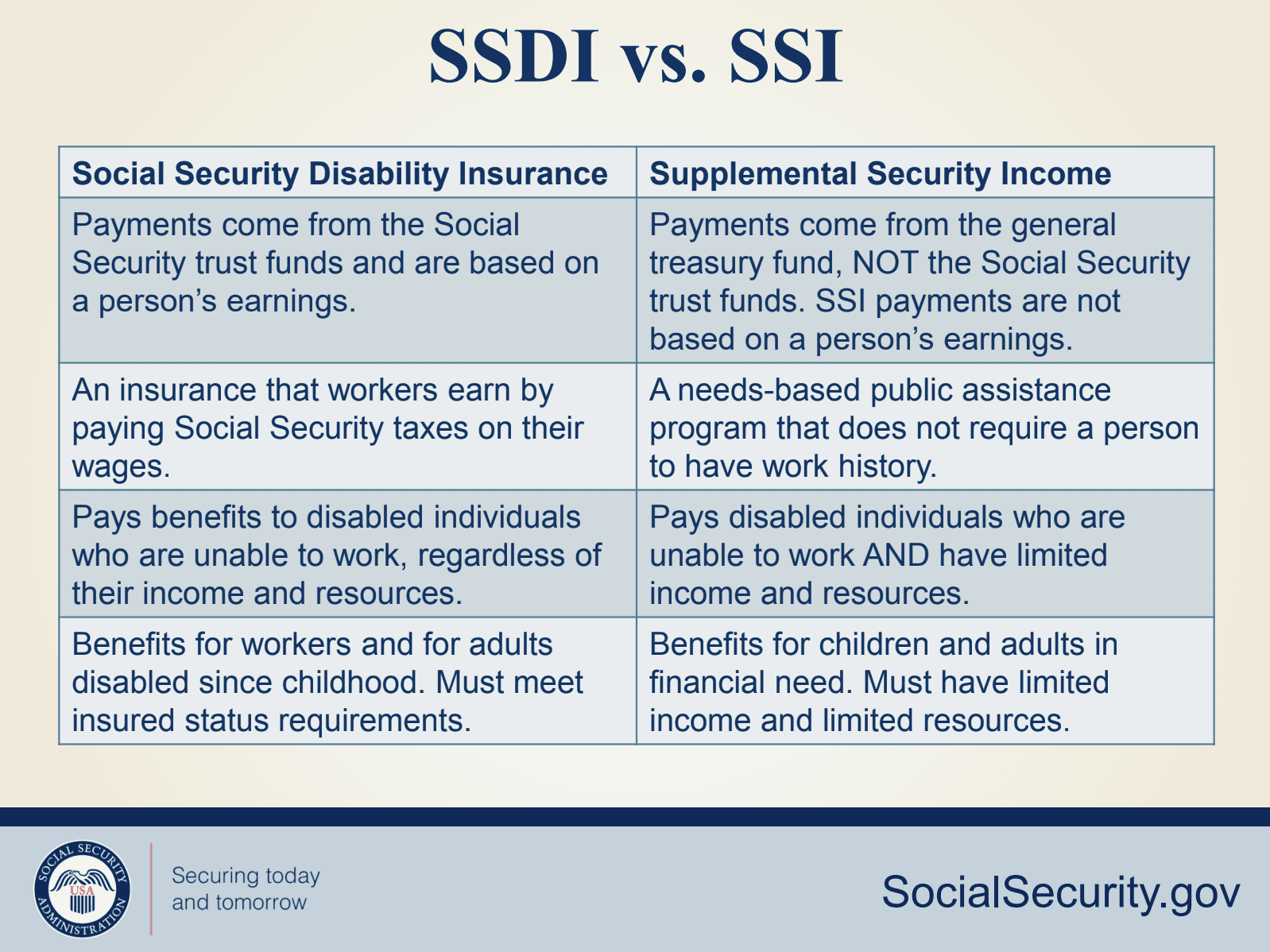
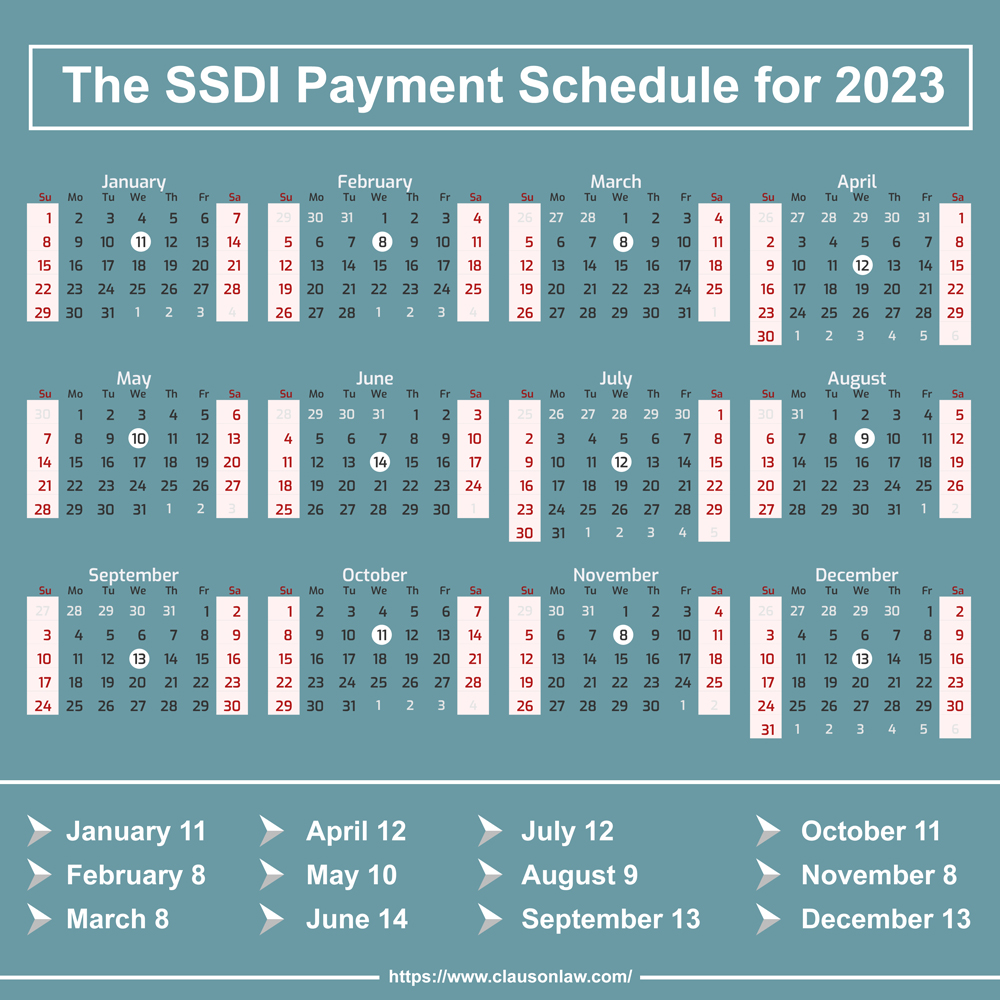
Understanding SSI Payments and Social Security Benefits


Eligibility Requirements for SSI Payments and Social Security Benefits


Can You Receive Both SSI Payments and Social Security Benefits?
In some cases, an individual may be eligible to receive both SSI payments and Social Security benefits simultaneously. This is known as "concurrent benefits." To qualify for concurrent benefits, an individual must meet the eligibility requirements for both programs. For example, an individual who is receiving Social Security Disability Insurance (SSDI) benefits may also be eligible for SSI payments if they have limited income and resources. However, it's essential to note that receiving concurrent benefits can affect the amount of SSI payments an individual receives. The SSA will reduce the SSI payment amount by the amount of the Social Security benefit, which is considered "unearned income." This means that the individual will not receive the full SSI payment amount in addition to their Social Security benefit.
How to Apply for SSI Payments and Social Security Benefits
If you believe you may be eligible for both SSI payments and Social Security benefits, you can apply for both programs through the SSA. You can apply online, by phone, or in person at your local SSA office. It's essential to provide detailed information about your income, resources, and work history to ensure that your application is processed correctly. Receiving SSI payments and Social Security benefits simultaneously can provide essential financial support for individuals with limited income and resources. While there are specific requirements and conditions that must be met, it's possible to qualify for concurrent benefits. By understanding the eligibility requirements and application process, you can navigate the system and unlock the benefits you're entitled to. If you have questions or concerns about SSI payments and Social Security benefits, contact the SSA or consult with a qualified representative to get personalized guidance.Keyword: SSI payments, Social Security benefits, concurrent benefits, Supplemental Security Income, Social Security Administration