Table of Contents
- The Importance of Flood Damage Restoration Services
- Flooding Health Hazards | Service First Restoration
- What Now? Assessing Damage Due to Floods - Risk and Resilience Hub
- Facts about Flood Damage | Express Emergency Services
- Agencies assessing scale of flood damage | PS News
- The dangers of flood damage | SafeGroup
- Revealing!! Why It Is Essential to Hire Flood Damage Experts After Home ...
- Tips For Dealing With Flood-Damaged Flooring - The Action RP
- Flood disruption and damage: what can your insurance pay for? - Which?
- Flood Damage Claim: How to Avoid Floods | PropertyTalk
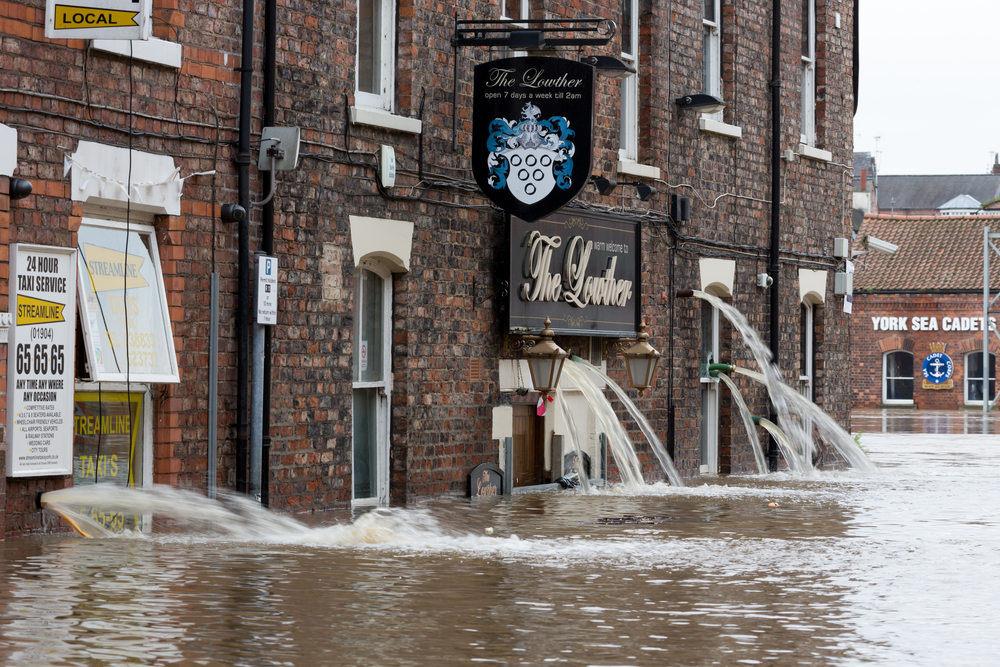
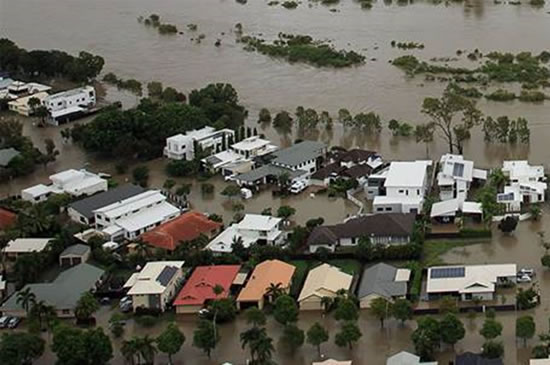
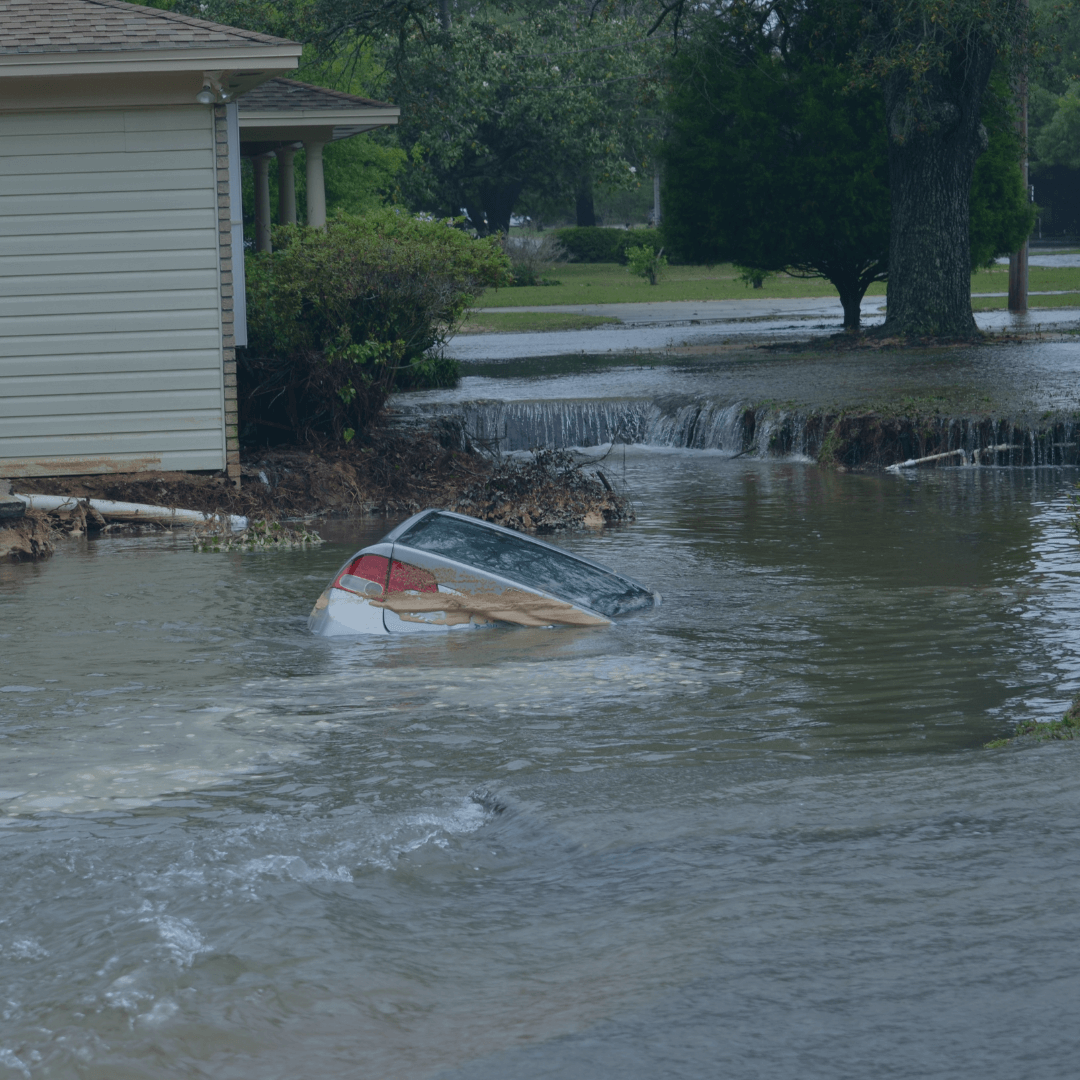
Flooding Facts



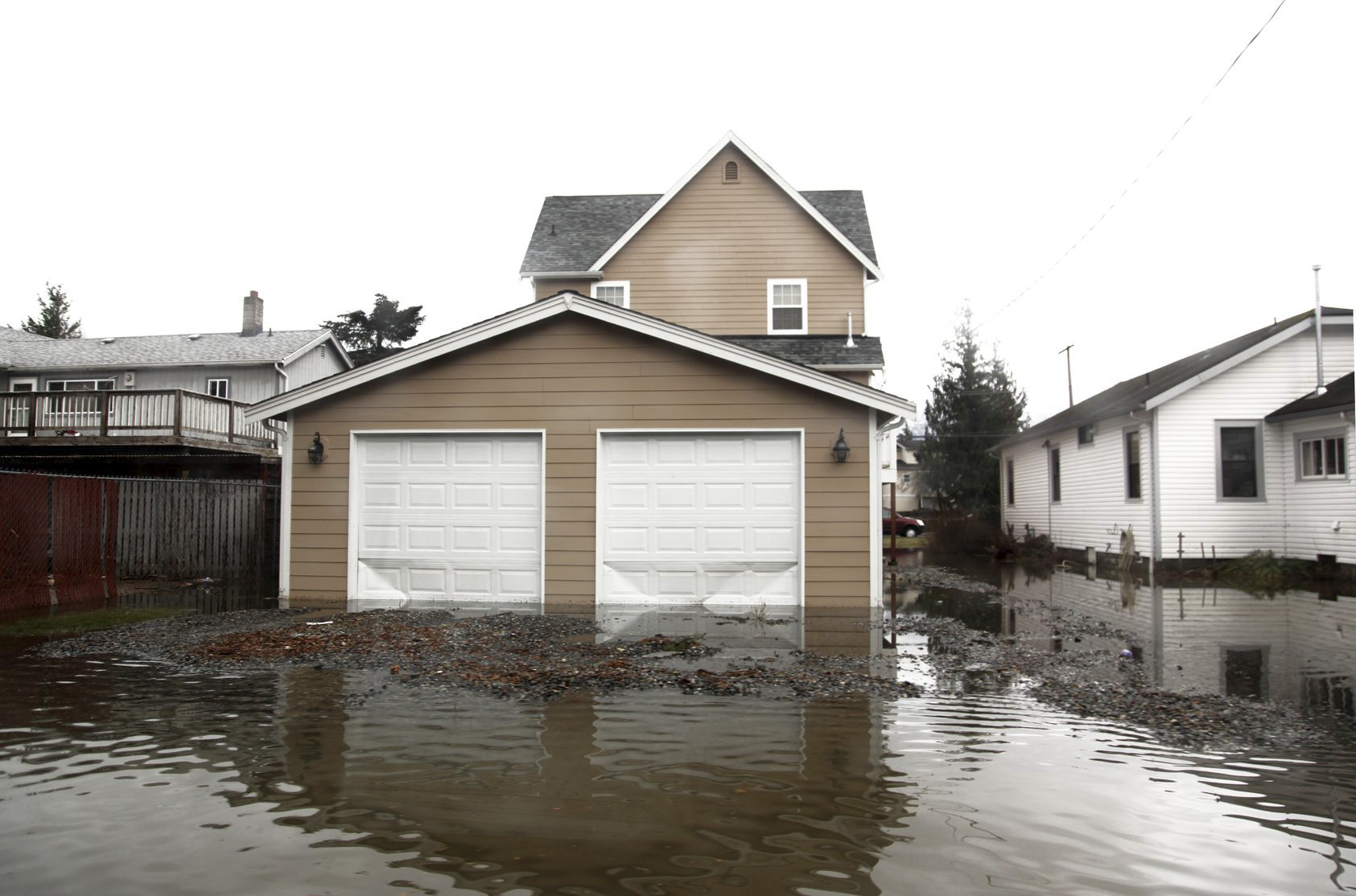
Causes of Flooding



Prevention Strategies
While flooding is a natural disaster, there are steps that can be taken to prevent or mitigate its impact. Some prevention strategies include: Wetland restoration: Restoring wetlands can help to absorb excess water, reducing the risk of flooding. Flood-control infrastructure: Building flood-control infrastructure such as levees, dams, and seawalls can help to protect communities from flooding. Sustainable land use: Implementing sustainable land use practices such as reforestation and soil conservation can help to reduce the risk of flooding. Climate change mitigation: Reducing greenhouse gas emissions can help to mitigate the effects of climate change, which is a major contributor to flooding. Flooding is a devastating natural disaster that can have far-reaching consequences. Understanding the causes and consequences of flooding is essential to developing effective prevention strategies. By implementing measures such as wetland restoration, flood-control infrastructure, sustainable land use, and climate change mitigation, we can reduce the risk of flooding and protect communities from its impact. The NRDC is working tirelessly to address the issue of flooding, and by supporting their efforts, we can create a safer and more sustainable future for all.For more information on flooding and how to get involved in prevention efforts, visit the NRDC website.
Note: The article is optimized for search engines with relevant keywords, meta description, and header tags. The word count is approximately 500 words, and the content is informative and engaging.